

Hello Book Bums families!
As we all enjoy the fruits of summer, Dr. Christy shares a bounty of books and activities on bees, the pollinators who make the deliciousness happen. We also have some book recommendations for adult readers, some literary history, and more. We hope you enjoy this week's newsletter.
Bookbums.com is an Amazon Associate; We earn from qualifying purchases. This means that if you click on a link to Amazon.com and make a purchase, We may earn a small commission at no extra cost to you. We do recommend the products. Feel free to find them by other means.
Word of the Week
tenuous (ten-yu-us) adjective/describing word - not strong or thick
We had a tenuous date to go the movies next week, but I knew the plans could easily fall through.
Wordology Workshop
- The Latin root tenu means slender or thin.
- You see it in our Word of the Week, tenuous, as well as words like extenuating and attenuate, both having to do with weakening something.
Literary Calendar
-
- On July 30 the paperback book was introduced by Penguin in 1935.
- Penguin's first set of paperbacks included novels by Agatha Christie and Ernest Hemingway.
- Learn more in this article that takes you through a brief history, including the U.S. military connection to paperback books.
From our Bookshelves
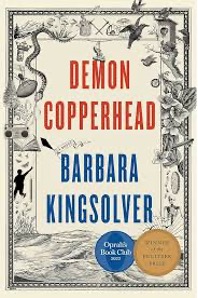
Demon Copperhead by Barbara Kingsolver is an absolute treasure. I heard someone say they would not consider reading a book told from the point of view of a child. If I didn’t know better, I might have agreed.
Published in 2022, Demon Copperhead, was the co-recipient of the 2023 Pulitzer Prize for fiction, and it’s no wonder why. This absorbing novel invites readers into the troubled life of Damon Fields. Though heart wrenching, the story is beautifully crafted with a voice so true it cannot be easily shaken from this reader’s heart and mind.
You see, readers love Demon like any boy they’ve ever loved, and they pray (Please, God . . .) for mercy on his behalf.
This is one of those books that feels outrageous—impossible even—yet we come to recognize that this novel is, indeed, a glimpse into far too many lives not so far from our own. There are bright spots, and those ring true as well. You see, Demon learned that art, a few good teachers, and the support of true friends can truly make a world of difference.
Kingsolver shared that she wrote this book drawing heavily from Charles Dickens’ David Copperfield. I have not read it, but when I investigated, I found the stories, the characters, and even the names are quite similar—so much so that I am not sure I need to read the original.
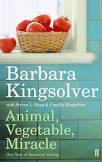
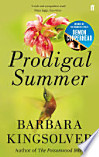
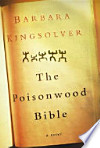
Other Kingsolver books I’ve read and that I recommend include:
Tips for Families

Items like the inflatable kiddie pool shown here are on sale, big time, right now. Grab some up for just a few dollars and enjoy some outdoor reading now that the weather’s getting a little cooler!
Tips for Raising Readers and Writers

Today, in the Science of Reading community, there’s lots of energy for knowledge building. Why, in American classrooms, this a new thing, I cannot understand. Weren’t we always about the business of building knowledge? Some research makes clear that building kids’ knowledge about the world around them complements their reading comprehension and now voices of educational leaders are clamoring about getting to work teaching kids interesting stuff. Weird.
Well, while visiting my storage area at our Kids First location, I saw a box labeled “bees” and I thought, I need to do this with the grandkids when they come for the weekend!
I’m going to share what I have, because maybe you’d like to do something like this too. A visit to your local library, maybe a farmers’ market, and perhaps an Amazon order could get you well on your way to a sweet knowledge building activity with some kids you love. (Oh, and the research says it’ll help them understand what they read too.)
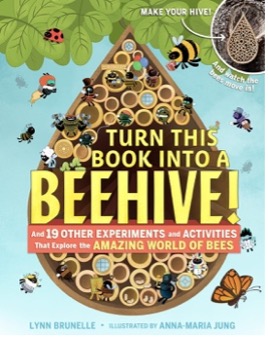
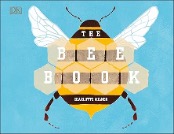
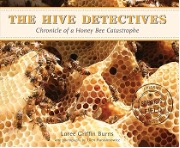
These are the books in my bee book collection:
This is a fantastic book! It’s filled with facts and fun-focused activities to complement kids’ learning about bees. You’ll learn about the parts of a bee, how it buzzes, how to encourage bees to visit your yard, how honey is made, the parts of a flower, and so much more!
I purchased biodegradable paper straws to build a mason bee hive together, some beeswax for the kids to feel, a bee puzzle, some honey from a local bee keeper and a Honeycomb tree game to play.
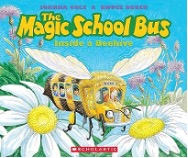
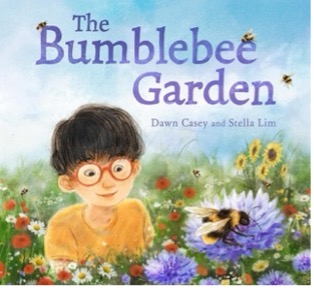
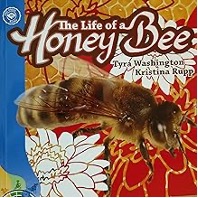
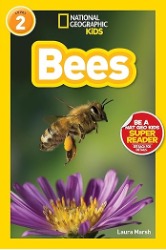
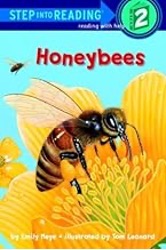
I took notes after reading all these books, so I’m going to drop some knowledge right here.
• Bee wings move 11,400 strokes per minute.
• Bees can see red, blue, white, purple, and yellow.
• A garden bumble bee has a tongue that’s as long as its body.
• One in three mouthfuls of food we eat comes to us from pollinators like bees.
• A queen bee lays up to one egg every twenty seconds.
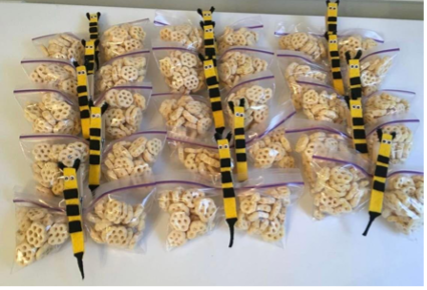
Here’s a treat and craft all in one:
Paint a wooden clothespin yellow and add black stripes. Affix some tiny wiggle eyes to the top and clip a snack bag filled with Honeycomb cereal to make the wings. You can even add a stinger if you’d like.
Want some bonus bee-themed reading for yourself? Try The Secret Life of Bees by Sue Monk Kidd.
Practical Grammar

Okay, so this isn’t really a grammar issue, but it’s a handy tip—especially when helping kids with spelling. In English, words don’t end with a j. We use -ge (as in age) or -dge (as in judge) to represent the sound /j/ at the ends of words.
Note: The -dge follows short vowels.
News from Book Bums

We’ve enjoyed our final day of the Book Bums Summer Fun session at VanGorden Elementary School, and I’m just so grateful for the outstanding teachers and incredible volunteers who made such an extraordinary impact on the kids we served. Thank you is simply not enough. To say lives have been changed may sound a bit dramatic, but it’s true. I know because one of those lives is mine.
What a joy it is to serve alongside outstanding adults who truly care about students and who give their very best effort to support them.
Tips for Teachers
I was listening to the Knowledge Matters Campaign podcast (season 2, episode 3), and I finally heard some folks talking about reading comprehension in a way that made sense to me. The following question was posed, and it made me think.
When was the last time you finished a chapter of a book and thought,
“Hmmm, what was the main idea?”
David and Meredith Liben shared in this podcast episode that readers focus on the text itself while teachers make reading text about strategies such as making inferences and predictions. David and Meredith describe the teaching of strategies as “the tail wagging the dog,” and I feel that.
I remember when a colleague said that she organized her students into “strategy groups.” I couldn’t make that make sense in my mind. I couldn’t absorb how teaching strategies equipped kids to read. From my perspective, there is one “strategy.” We make the sounds we see, knowing what we know about how words work through explicit, systematic phonics instruction, and we make sense of it knowing what we know about the meanings of those words and their parts and how they’re organized within the sentences. Will meaning break down from time to time? Sure. Lacking vocabulary and/or background knowledge or unfamiliar idioms or increased cognitive load when decoding challenging words can all impede our ability to make meaning from text. Sometimes we’re simply not paying attention. There are many obstacles when it comes the making of meaning from texts, but using strategies will surely fail our students. Our academic attention should land in the realm of reading LOTS of books, actively exploring the world around us, deliberately attending to the words we see and hear, and making the process of learning interesting.
At Book Bums, we have eight comprehension-focused lessons, but they’re not teaching kids to use strategies. They teach kids about why meaning might break down in a text, and they share practical exercises that equip kids to think about their own thinking and why we might not “get” all that we read. That seems to align with what these educators are sharing as well.
Typically, when kids don’t comprehend text (and they can comprehend oral language), the problem stems from poor decoding skills. There are times when kids read accurately and still don’t understand what they’re reading, but outside of kids learning English as a second language, these instances are extraordinarily rare.
The podcast hosts differentiate between teachers teaching themes (like teamwork) and teaching topics (like bees). They posit that teaching themes in classrooms is not an effective approach because multiple, vastly varied texts under the same theme umbrella are used and they yield little depth of knowledge for students. Delving deeply into a particular topic promotes a rich knowing that can complement the learning of new topics.
Remember that lacking vocabulary and/or background knowledge impedes reading comprehension. Making an effort to grow kids’ knowledge is a just right task that kids actually enjoy, and that sounds good to me.
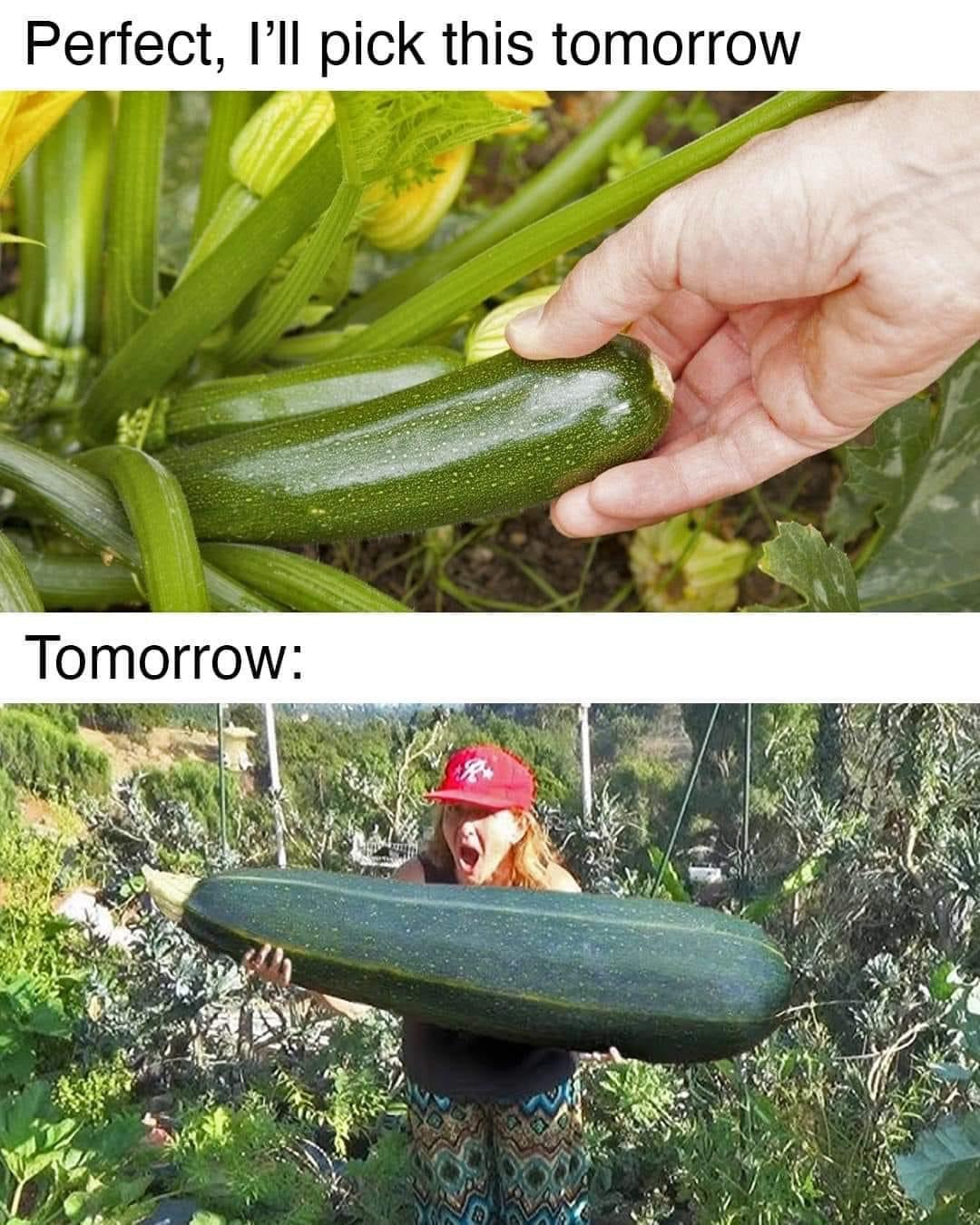
Just for Fun
If you know someone who would benefit from our newsletter or tutoring at Book Bums, please share this email with them! Thank you.
Copyright © 2024 Book Bums, All rights reserved
Our mailing address is:
7967 Cincinnati-Dayton Road Suite L
West Chester, OH 45069