
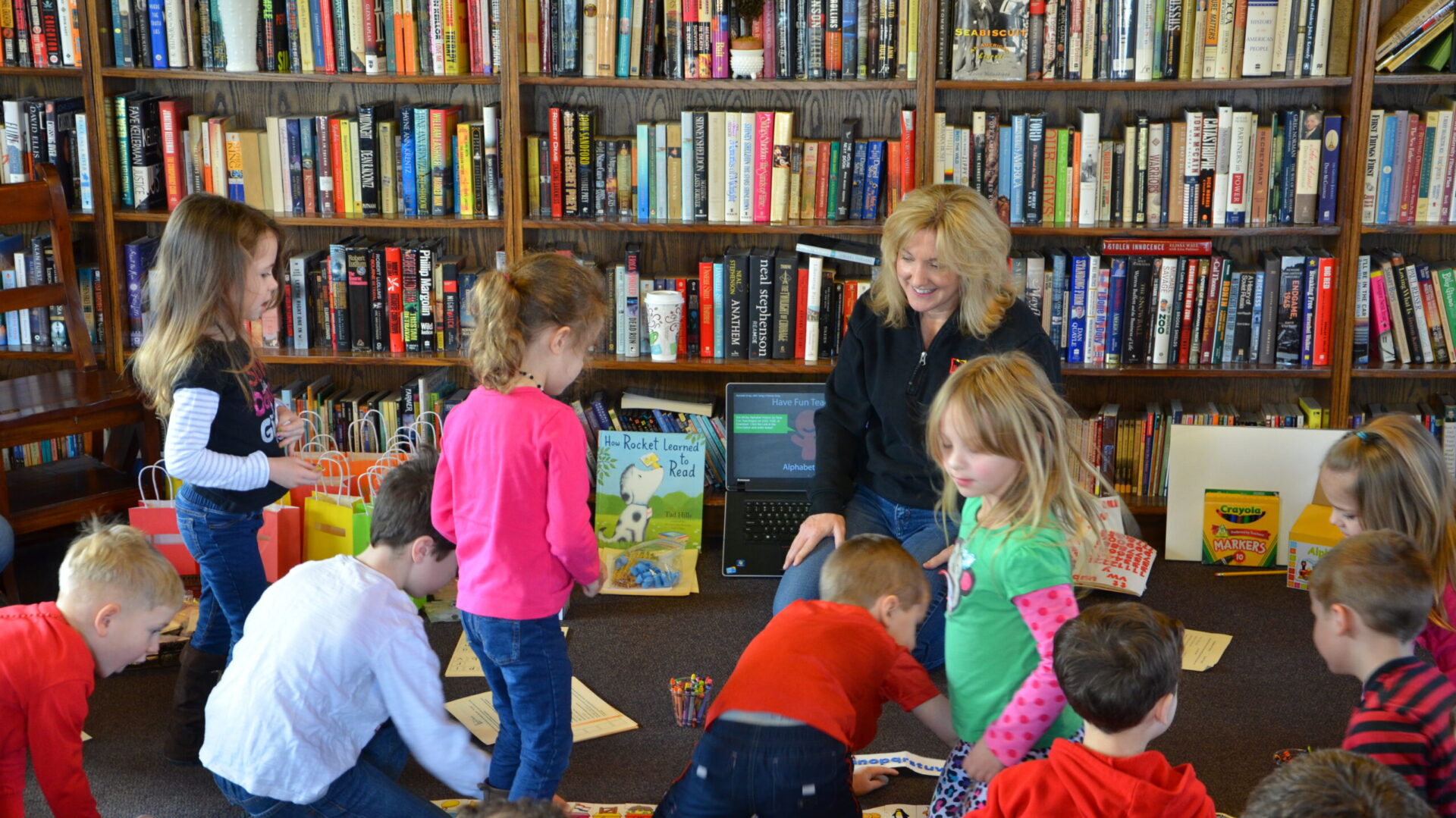

Hello Book Bums families!
Here at Book Bums we are all about helping students learn to read and spell well; but we also value lifelong learning. This week in the newsletter we are following our curiosity about Pulitzer Prizes, poetry, Taylor Swift songs and more. Read on and enjoy.
Bookbums.com is an Amazon Associate; We earn from qualifying purchases. This means that if you click on a link to Amazon.com and make a purchase, We may earn a small commission at no extra cost to you. We do recommend the products. Feel free to find them by other means.
Word of the Week
vehemently (vee-huh-ment-ly) adverb/word that answers how? when? where? - doing something with forceful energy or strong emotion
The two-year-old vehemently opposed his bedtime by clinging to furniture and refusing to budge.
Literacy Calendar
- September 22 is Dear Diary Day.
- This holiday is all about encouraging people to put their thoughts on paper.
- Treat yourself to a lovely notebook and a new pen and try recording thoughts or events from your day, something you're grateful for, prayers, or even the weather.
From our Bookshelves
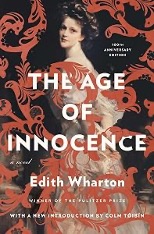
In 1920, Edith Wharton became the first woman to win The Pulitzer Prize for Fiction with The Age of Innocence. I’ve become enamored with the idea of reading more Pulitzer Prize winning works, and I found this webpage with responses to frequently asked questions like the one I found myself asking. What are the criteria for the judging of The Pulitzer Prizes? I learned that there are no set criteria for the judging. It’s left to those nominated and the Board to determine which are distinguished works.
Wharton’s story takes place in New York City during the 1870s, and the main character is a man named Archer. (I enjoyed the idea of a woman writing a story from a man’s perspective in the early 1900s.) Archer was engaged to one woman and then fell in love with his fiancée’s cousin.
The story is one of love—of many kinds. But the part that sticks with me is that May, Archer’s wife, was considered by her husband to be ignorant and lacking in imagination. Meanwhile, a reader might view her as the wisest of all. As a woman in a patriarchal society, May had few options for preserving societal expectations, but she did just that in such a masterful way. I love when minor characters have a major role.
The ending of the story was not particularly satisfying; but I felt myself nod, and I may have even smiled.
Tips for Families
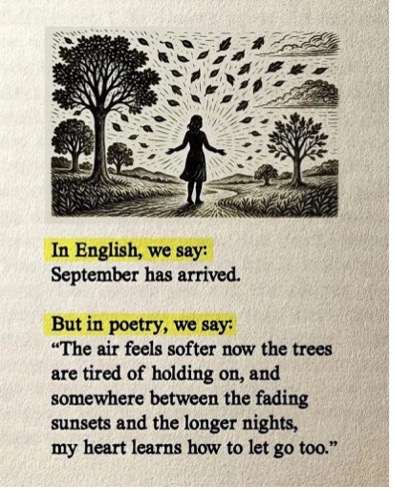

If you do nothing else, perhaps you’d consider purchasing or borrowing Love That Dog by Sharon Creech. It’s a wonderful way to engage your kids with poetry alongside a boy who’s not sure about poetry himself. If you would be so kind as to try reading this book with your kids, you need to know that the famous poems mentioned within the text are featured (at least in part) in the back of the book. When I read this book in my classrooms, I made a point, before each read aloud session, to re-read every poem I’d read to date. It didn’t take long before twenty-eight voices were chanting the poems along with me! Of course, we tried our hands at writing our own poems too. Poetry writing is a fantastic endeavor this time of year when younger kids still have not mastered writing conventions including indenting, end marks, and more; for those conventions are not need in poetry writing.
Pause for Poetry
Be Still in Haste
by Wendell Berry
How quietly I
begin again
from this moment
looking at the
clock, I start over
so much time has
passed, and is equaled
by whatever
split-second is present
from this
moment this moment
is the first
*Kentucky poet Wendell Berry died last month at the age of 92.
Tips for Raising Readers and Writers

I was on social media one day, and I saw this guy (above) sharing many literary devices that can be observed (and shared with students) using Taylor Swift songs. I noticed one device I hadn’t remembered: epizeuxis /ep-ih-ZOOK-sis/. It comes from a Greek word that means “to fasten together.” I would have simply called it repetition, but this is a particular kind of repetition. Epizeuxis is a word used for words being repeated with no other words occurring between.
Some familiar examples include:
- "Words, words, words" (Hamlet in Shakespeare's Hamlet)
- Speeches: "Never give in, never give in, never, never, never—in nothing, great or small..." (Winston Churchill)
- Common life: "Location, location, location" (Real estate aphorism)
- "We are never, ever, ever, ever getting back together.” (Red by Taylor Swift)
Practical Grammar
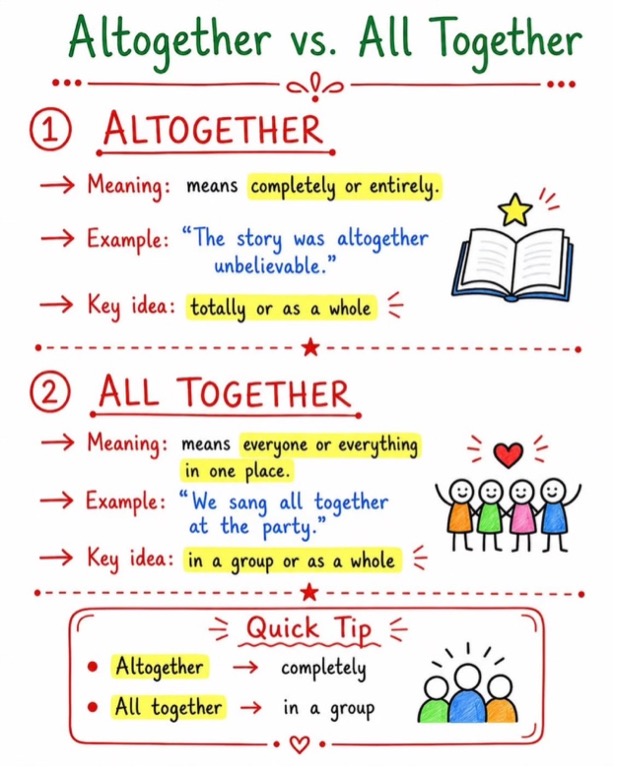
Working all together is altogether more fun!
News from Book Bums

It’s that time! Ohio Report cards are being released on this Ohio website. All you have to do is click the link and type in the name of your child’s school. From there, I always go to the Early Literacy score. Then I click on the View More Data tab. Then I go to Improving K-3 Literacy Measure Details tab. That’s a good picture of what’s happening in your child’s school when it comes to early literacy instruction.
As for me, I’m a Lakota girl through and through. I’m rooting for my district, and overall, we scored fairly well, but that darned early literacy score stings.
but falls short in early literacy with 8 schools at 2/5.
At Book Bums, we’re working hard to move all our students to grade level expectations and beyond. But as a Lakota grad who married another Lakota grad and who raised three more Lakota grads—and is a homeowner and business owner in the district . . . I want more for all students. I’m longing for a way to do even more for the kids in our district who are struggling with learning to read and spell well.
Tips for Teachers
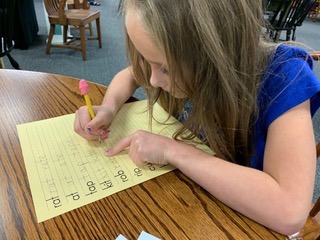
Whether you’re a teacher in the classroom or a tutor serving kids at Book Bums (or even a parent providing homework support), we must remember that our students need to be coached to write well (handwriting, conventions, spelling, etc.) on every writing task. When we’re sitting alongside our students, they should hear our voices in their heads reminding them of what they need to do to produce outstanding work so those voices will be there when they’re working independently.
Remind your students of what you’ve taught them until they no longer need you to do so.
Wordology Workshop
- The word tutor comes from a Latin word, tueri, meaning to watch over, guard, or protect.
- As it moved into the French language it took on the meaning of instructing that we are familiar with today.
Just for Fun

If you know someone who would benefit from our newsletter or tutoring at Book Bums, please share this email with them! Thank you.
Copyright © 2024 Book Bums, All rights reserved
Our mailing address is:
7967 Cincinnati-Dayton Road Suite L
West Chester, OH 45069